Key Takeaways
- Highest Intent Window: The post-purchase moment carries stronger purchase motivation than any pre-checkout touchpoint, because the buyer has already committed, making upsell acceptance rates structurally higher than at the cart level or on the homepage.
- On-Page Then Email: A one-click thank-you page upsells capture impulse additions before the session ends, while email-based sequences reach buyers who close the browser before seeing the offer.
- Margin First: Upsell revenue only improves business outcomes when the contribution margin per upsell order is measured separately, since fulfillment and processing costs must be subtracted before the revenue addition is confirmed to be profitable.
Every order that leaves your store without a post purchase upsell opportunity is revenue your ads already paid to create. The customer has proven they trust the brand, that their payment details are active, and that purchase motivation is at its peak. Most brands let that window close without presenting a single additional offer.
At Nord Media, we build post-purchase upsell systems that treat order confirmation as the most efficient revenue opportunity in the customer journey. We work with DTC brands that understand adding 15 to 25 percent to AOV through upsell requires zero additional ad spend.
In this guide, we’ll cover why post-purchase outperforms pre-checkout for upsell conversion, which mechanics capture the most revenue, and how to measure whether upsell additions are profitable rather than simply larger.
Why The Post-Purchase Moment Outperforms Every Other Upsell Window
Post purchase upsell conversion rates exceed pre-purchase and cart-level rates because purchase psychology at confirmation is fundamentally different from any earlier stage.
Purchase Confirmation Creates Peak Receptivity
At the time of order confirmation, the buyer has overcome every objection that might have prevented the purchase. Doubt, price hesitation, and product uncertainty have all been resolved. No other touchpoint starts from this state, which is why post-purchase upsell conversion rates outperform cart-level and homepage offers.
Post-Purchase Revenue Raises Aov Without Raising Cac
Every dollar generated through post-purchase upsell carries zero additional acquisition cost. When upsell revenue is added to total revenue without adding to acquisition spend, effective CAC decreases across the customer base. A 20 percent AOV lift from upsell proportionally reduces the ROAS required to justify acquisition spend.

On-Page Post-Purchase Upsell Mechanics That Capture Impulse Revenue
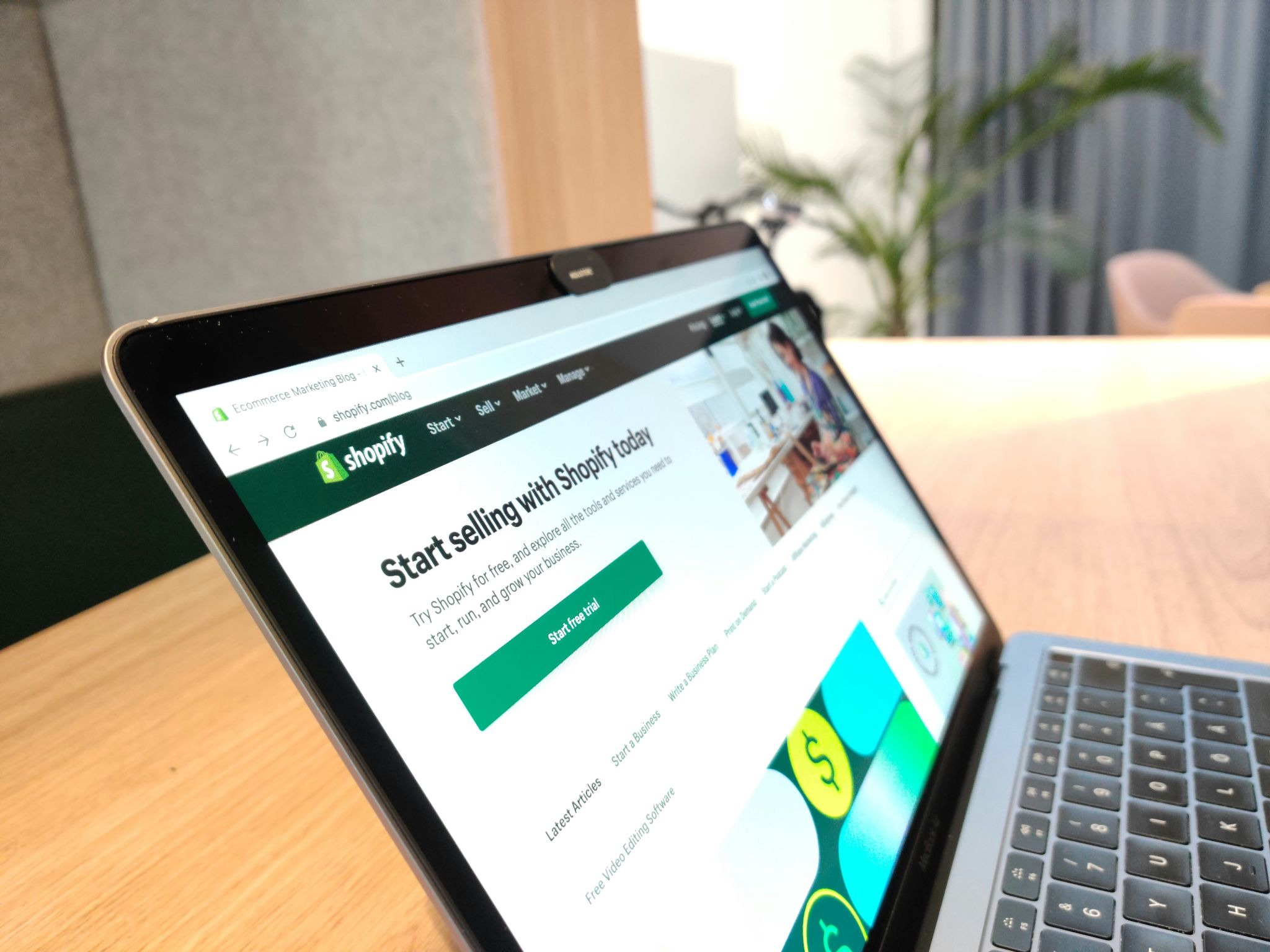
The highest-conversion post purchase upsell Shopify placement is the thank you page, which loads immediately after purchase while the buyer is in an active session with payment credentials stored. A properly configured upsell triggers on every completed order, ensuring revenue opportunity reaches 100 percent of buyers. These four mechanics determine whether the page converts into an upsell or simply confirms the order.
- One-Click Thank You Page Upsell: A single-click add-to-order button that processes the upsell without requiring re-entry of payment details removes the primary friction causing impulse upsell abandonment between intent and completion.
- Complementary Product Logic: Upsell recommendations built from purchase sequence data, which products customers most frequently buy second after the specific first product, outperform recommendations driven by inventory levels or margin targets.
- Completion Framing: Positioning the upsell as completing the first purchase, the accessory that makes the product work better, removes the perception of a new sale and replaces it with a natural extension of the decision just made.
- Subscription Upgrade Offer: A subscribe-and-save offer on the thank-you page converts single orders into recurring revenue at peak brand trust, before the product experience introduces friction that reduces subscription conversion later.
Our Post Purchase Email Flow guide covers how on-page upsell connects to email-based sequences, ensuring revenue opportunity is captured during the session and after it closes.
Email-Based Post-Purchase Upsell Sequences
Not every customer accepts an on-page upsell. The buyer who closes the browser immediately after confirmation is unreachable through session-based mechanics, and email-based post purchase email flow sequences are the only channel available to present an upsell after the session ends.
Upsell Email Timing By Product Category
The optimal timing for a post-purchase upsell email varies by product category. Consumables for immediate use warrant upsell emails within 48 to 72 hours, while the product is actively being used and its value is being experienced. Considered purchases with longer evaluation periods warrant upsell emails at 7 to 14 days, once the customer has sufficient product experience to recognize genuine complementary needs.
Cross-Sell vs. Upsell In Email Sequencing
Cross-sell emails present a different product from a complementary category, while upsell emails present a higher-value version or larger quantity of the original. Cross-sells work best when affinity data confirms genuine complementarity. Upsells work best when the purchase implies a need for scale, refills, or enhancement. We integrate both into our Ecommerce email marketing systems as separate flow branches with distinct triggers and logic.

Upsell Offer Design That Increases Acceptance Without Discounting
The acceptance rate of a post-purchase upsell depends more on how the offer is framed than on the discount attached to it. Shopify post purchase upsell implementations that default to discount offers train customers to wait for incentives before accepting, compressing margin across every upsell event.
- Bundle Completion Framing: Presenting the upsell as the component that makes the first purchase complete, the lens cap for the camera, the charging cable for the device, positions acceptance as finishing a purchase rather than starting a new one.
- Social Proof Of Next Purchase: Showing that a high percentage of customers who bought the same first product also purchased the upsell item replaces brand persuasion with peer-behavior evidence.
- Availability & Scarcity Signals: Genuine inventory limitations or exclusive product availability create decision urgency through product desirability rather than price reduction.
- Free Shipping Threshold Framing: Presenting the upsell as the item that takes the order above the free shipping threshold makes the addition feel like a value-maximizing decision rather than a commercial offer.
The best upsell experiences feel like helping the customer complete their purchase. Our Ecommerce Customer Retention systems track how upsell acceptance correlates with long-term retention metrics, confirming that the quality of offer framing directly influences whether customers return.
Measuring Post-Purchase Upsell Performance Against Margin Outcomes
Post-purchase upsell revenue reported in isolation does not reveal whether additions are profitable. Upsell offers with high acceptance rates and thin margins may add more cost than value when fulfillment, processing, and incentive costs are factored in.
On-Page Upsell Acceptance Rate And Revenue Per Session
Acceptance rate measures the percentage of thank you page visitors who accept the upsell offer. Revenue per post-purchase session combines both into a single efficiency metric, revealing whether low acceptance rates are a framing problem or a product selection problem.
Contribution Margin Per Upsell Order
Every upsell order carries its own fulfillment cost, processing fee, and potentially a discounted price. Measuring contribution margin per upsell order separately confirms the addition is genuinely profitable. Brands reporting upsell revenue without calculating upsell margin may be improving AOV while compressing per-order profitability.
.jpg)
Final Thoughts
Post purchase upsell adds revenue to orders that the ad spend already created. On-page thank you, page mechanics capture impulse revenue during the session. Email sequences reach buyers who close the browser before accepting an offer.
At Nord Media, we build upsell systems where offer framing, product selection logic, and margin tracking work together. The brands we work with measure acceptance rate alongside margin because revenue additions that compress per-order profitability are not worth scaling.
If your thank you page only confirms orders, the highest-intent moment in the customer journey is going to waste.
Frequently Asked Questions About Post-Purchase Upsell
What is a post-purchase upsell?
An offer presented immediately after purchase is designed to increase order value without requiring a new acquisition event or separate session.
How does post-purchase upsell differ from cart upsell?
Post-purchase upsells present after payment when objections are resolved, while cart upsells present before payment when price sensitivity and abandonment risk remain active.
How does the upsell offer price point affect the acceptance rate?
Upsell items priced at 20 to 40 percent of the original order value see the highest acceptance rates because the addition feels proportionate to the commitment already made.
How many upsell offers should appear on a thank-you page?
A single relevant upsell consistently outperforms multiple offers because decision complexity reduces acceptance rate faster than additional options increase it.
How does post-purchase upsell affect customer LTV beyond the immediate order?
Customers who accept a post-purchase upsell are more likely to repeat, suggesting that acceptance signals greater commitment rather than simply adding a single transaction.
What is the difference between a post-purchase upsell and a post-purchase cross-sell in revenue terms?
Upsells increase revenue per unit by upgrading quantity or version, while cross-sells add a new category purchase, making cross-sells better for basket expansion and upsells better for per-unit margin.


























































.png)